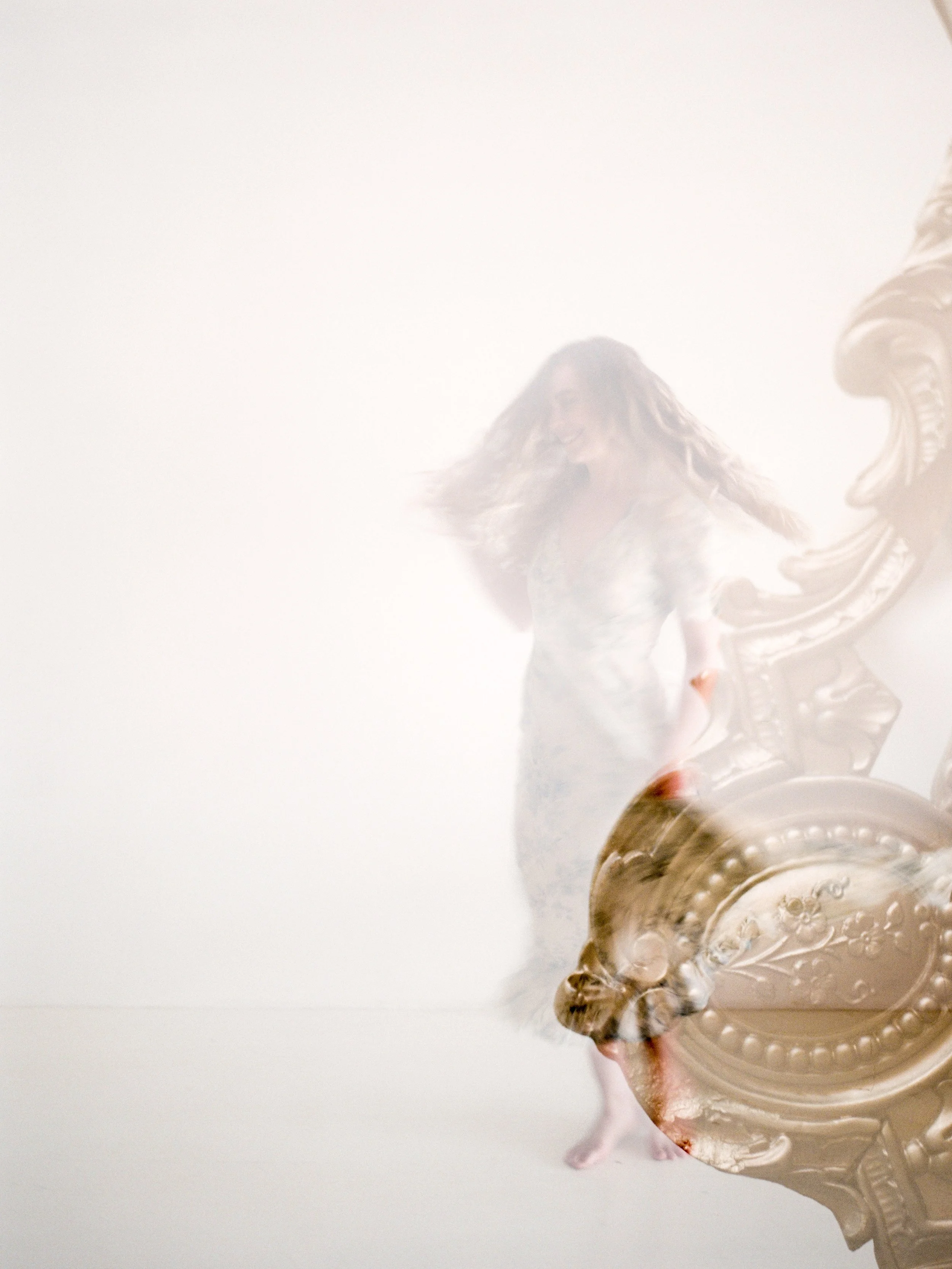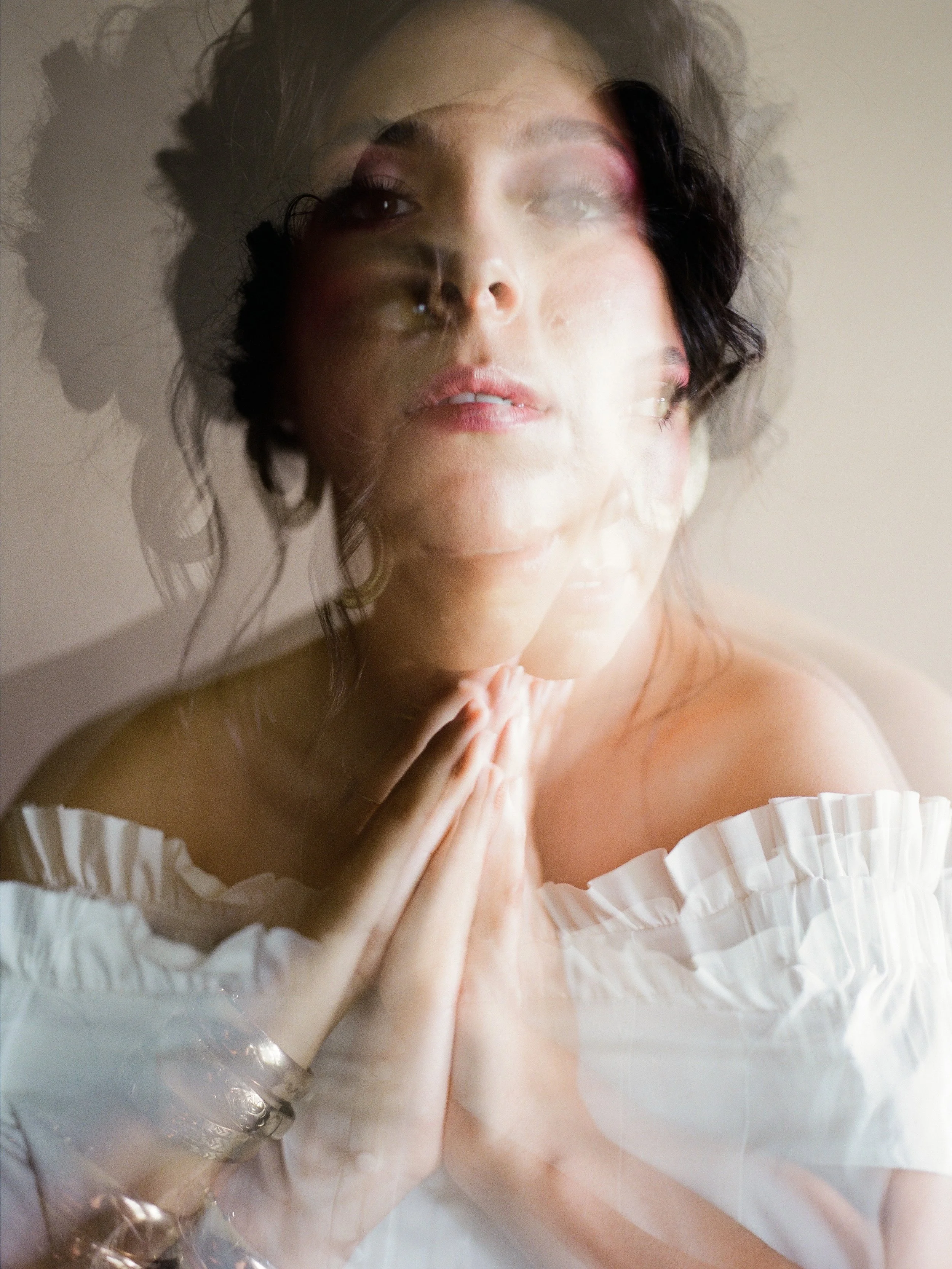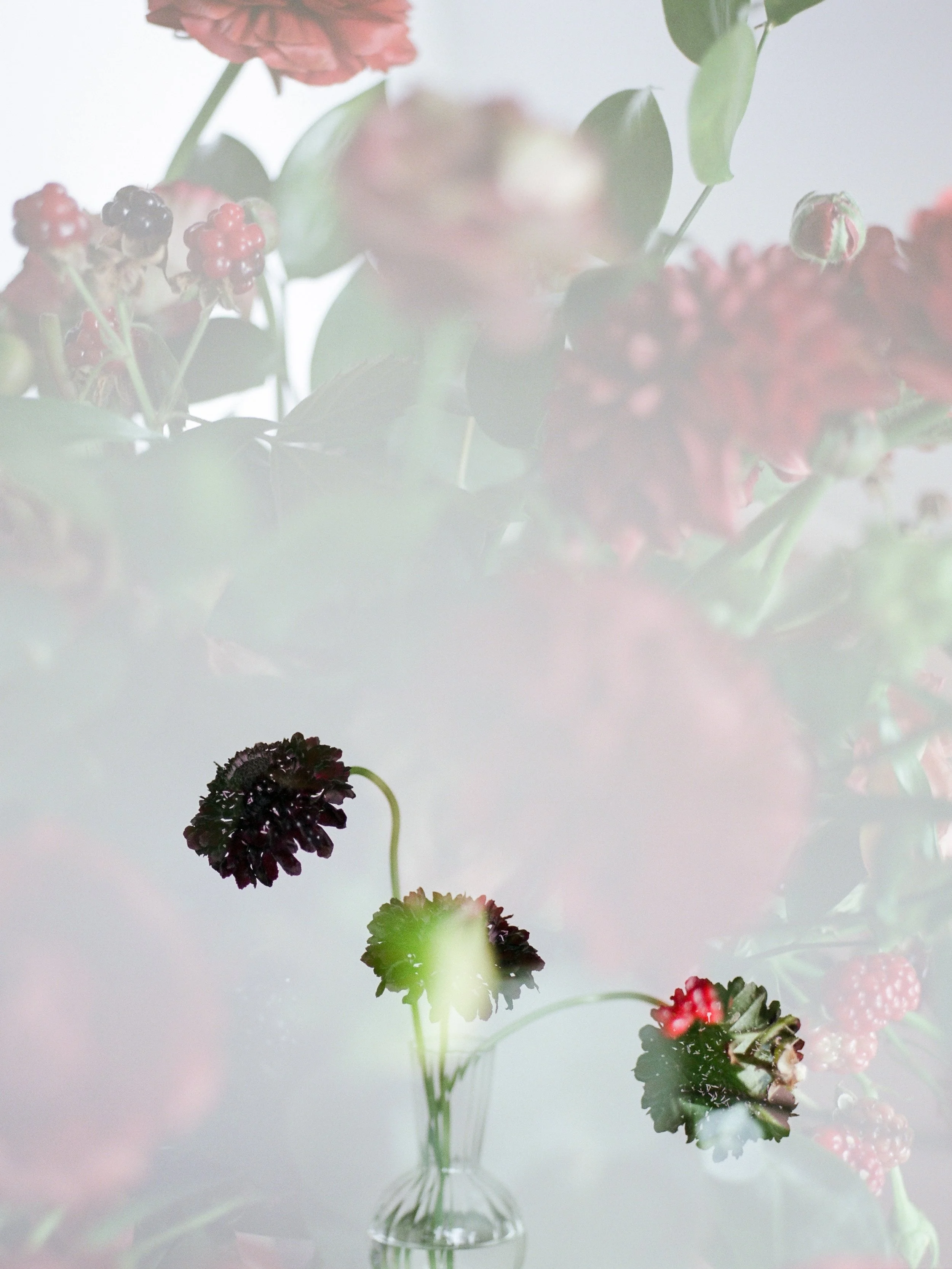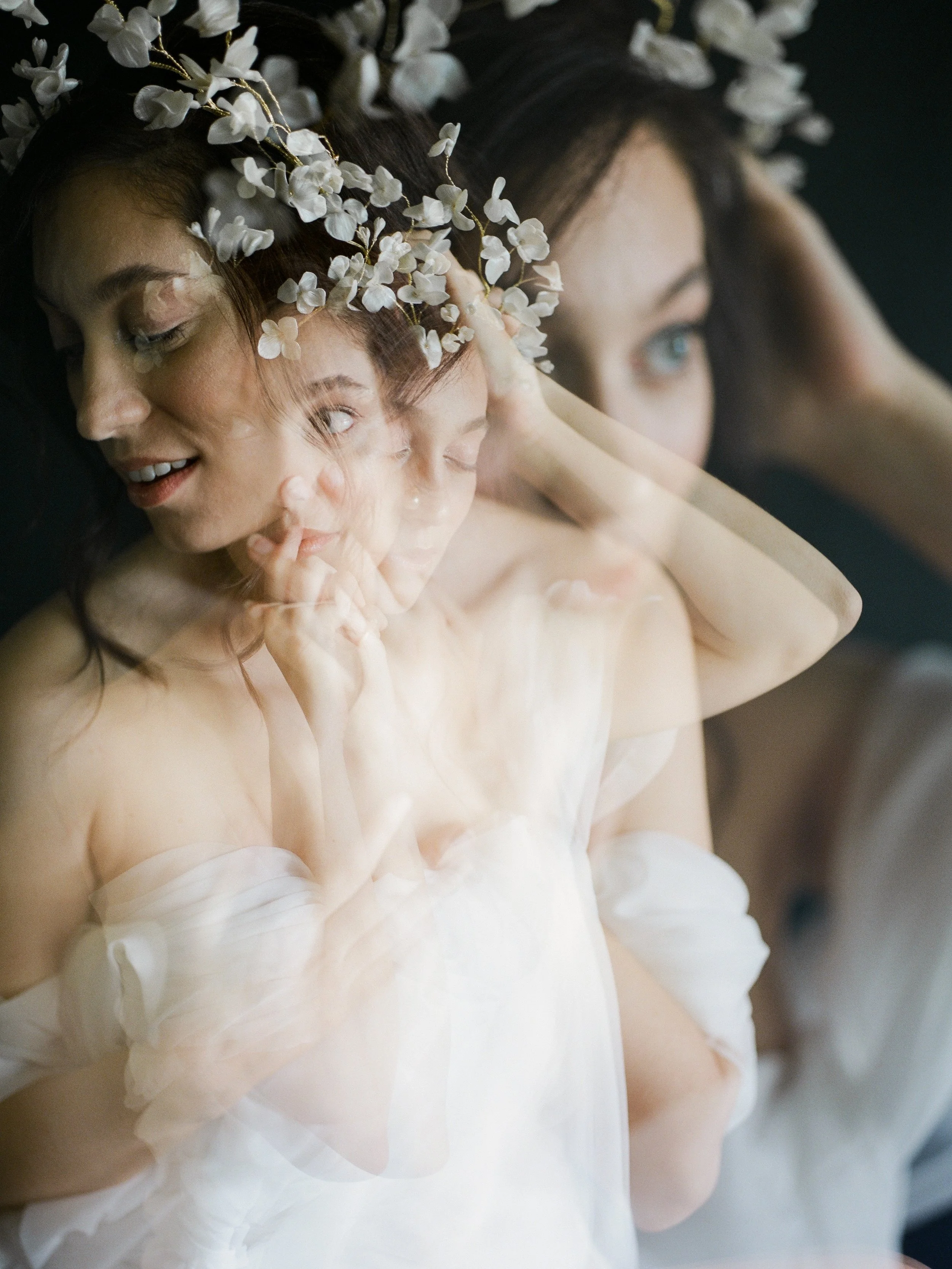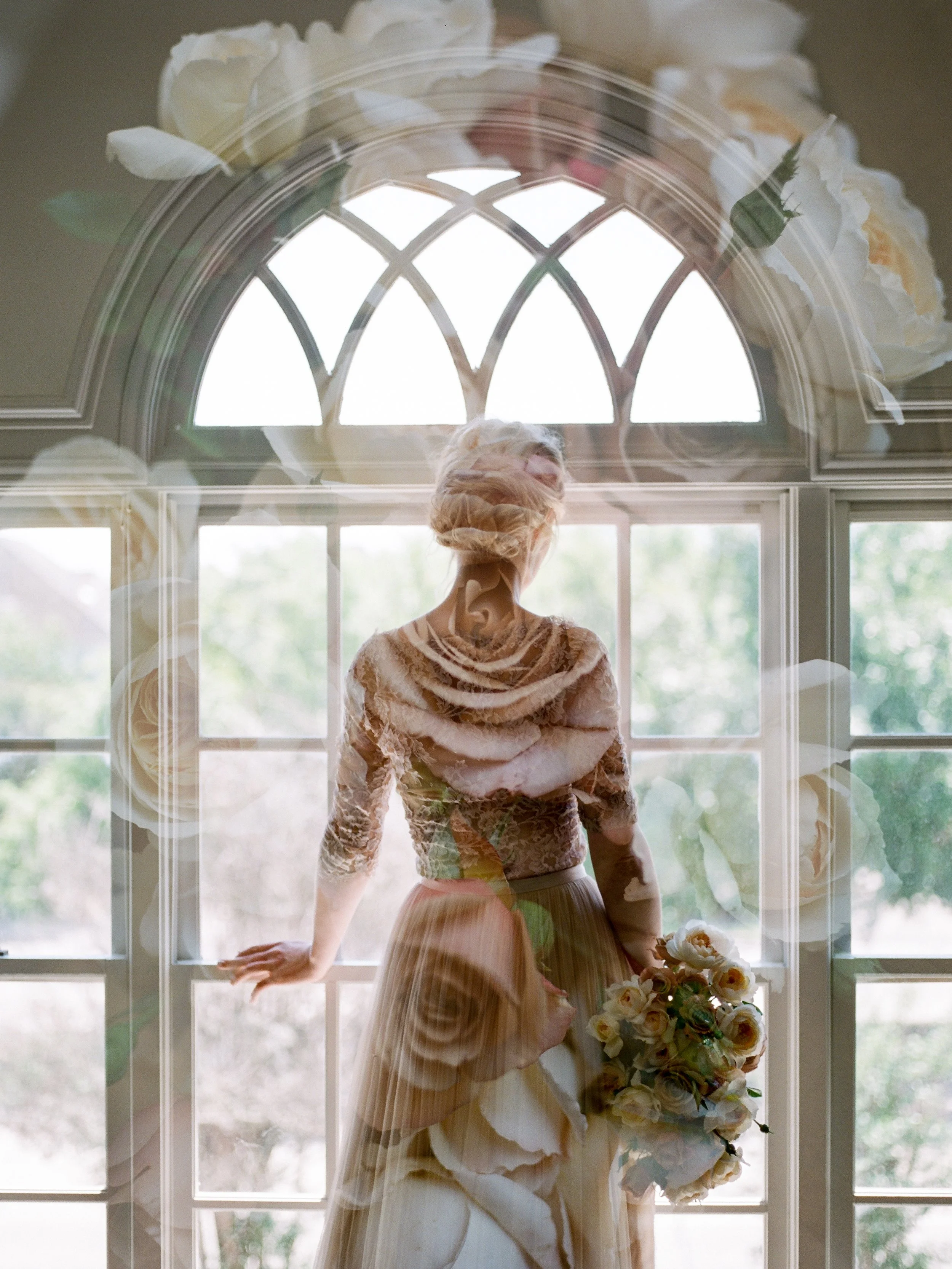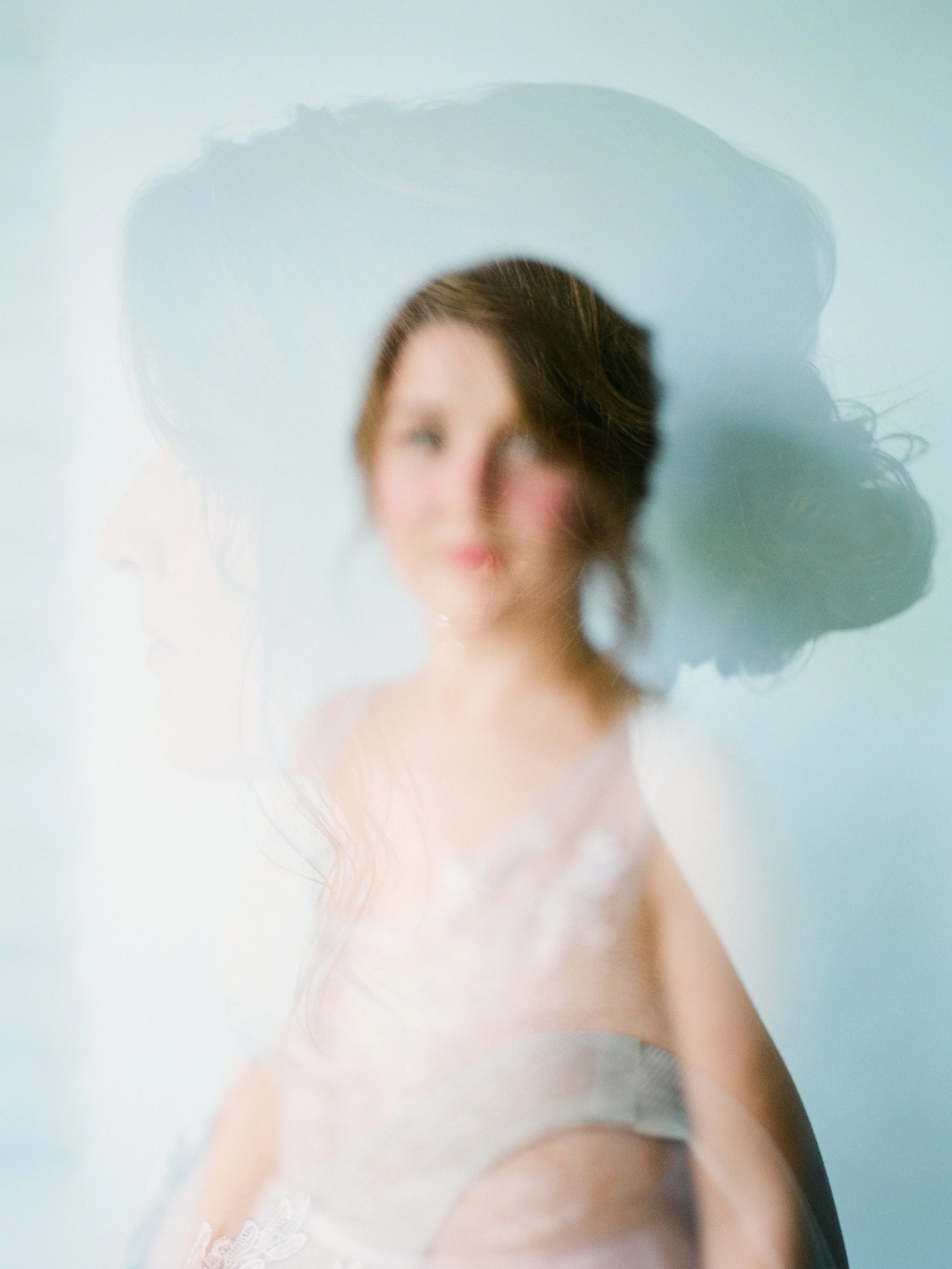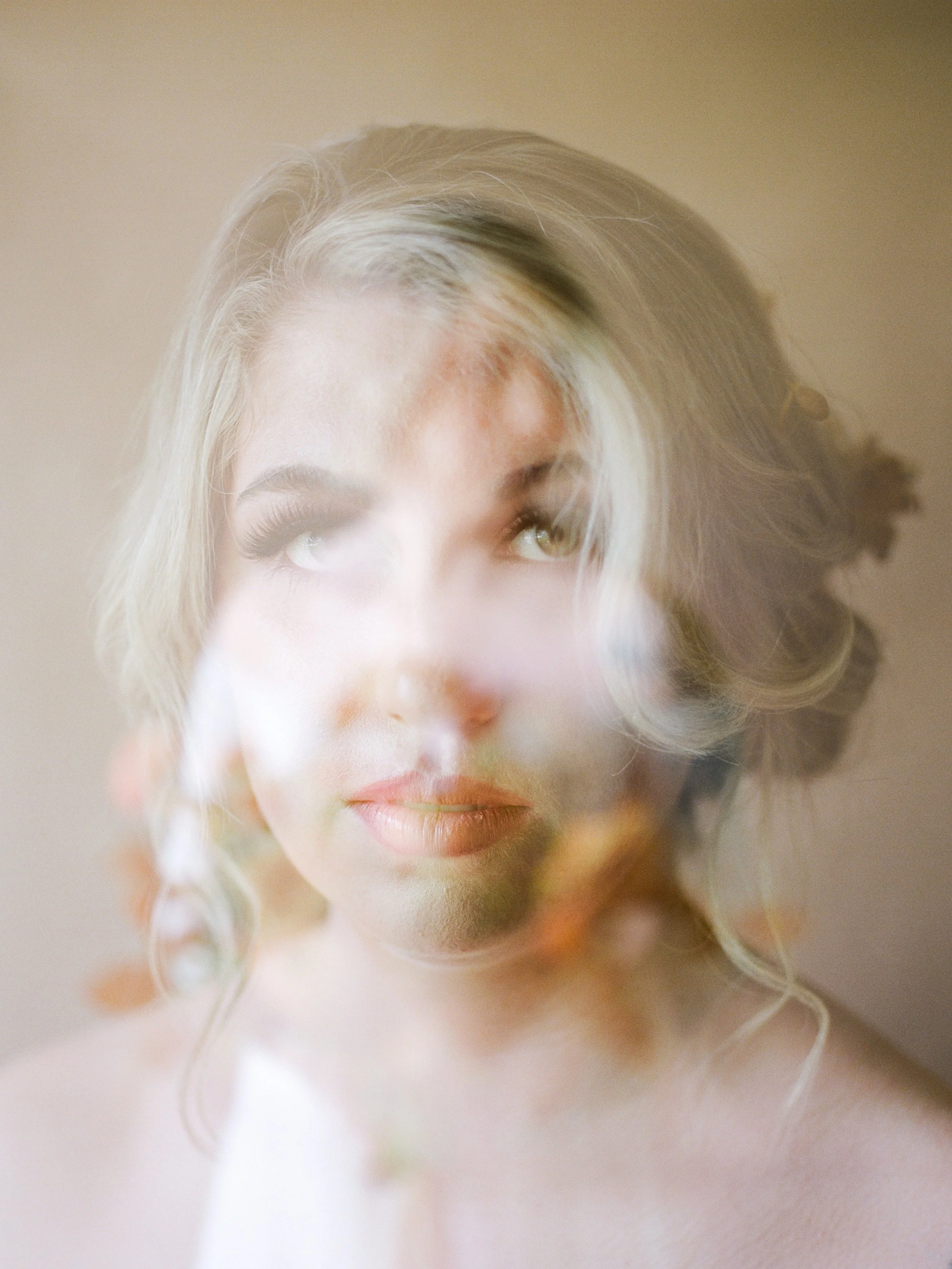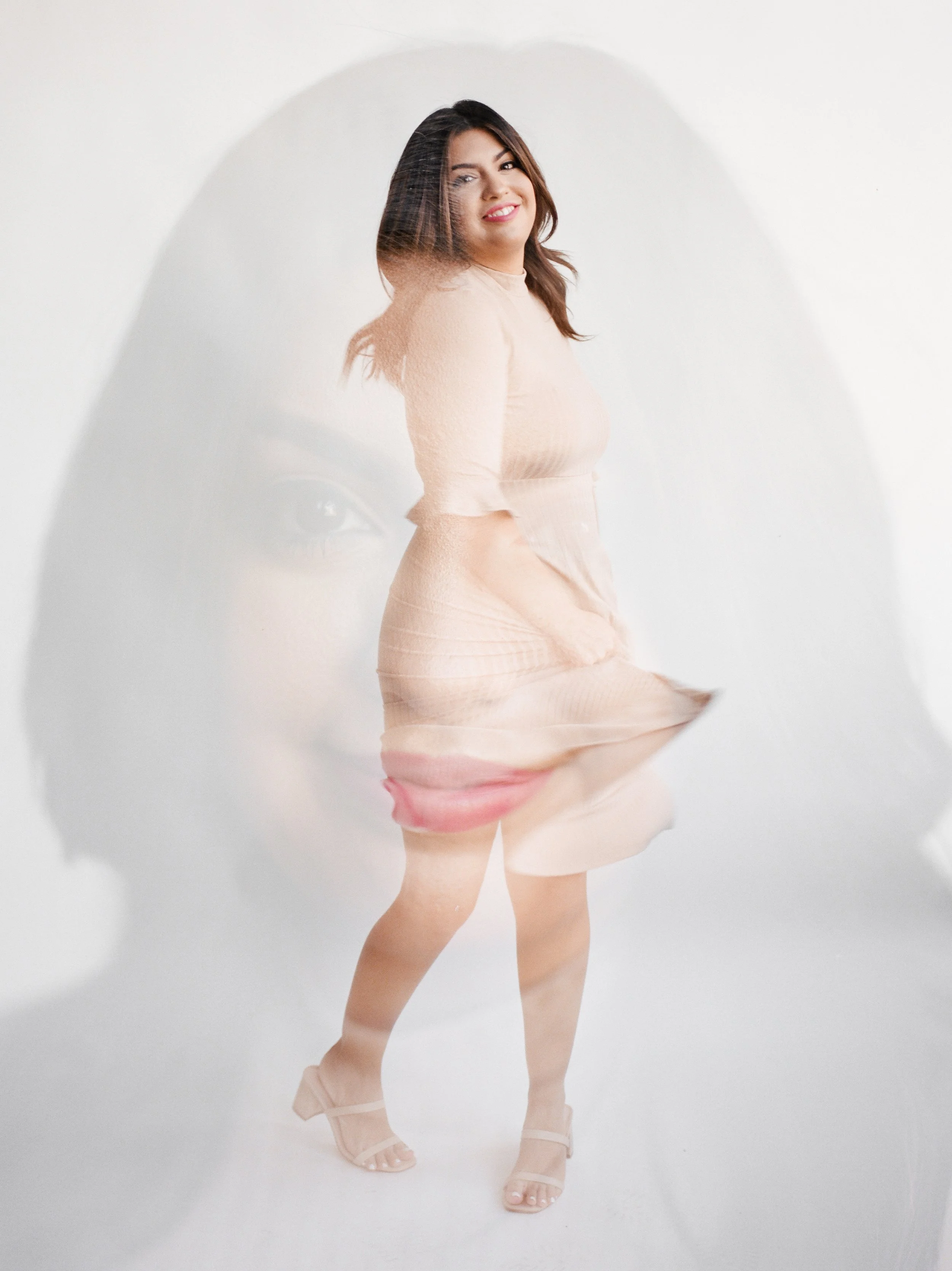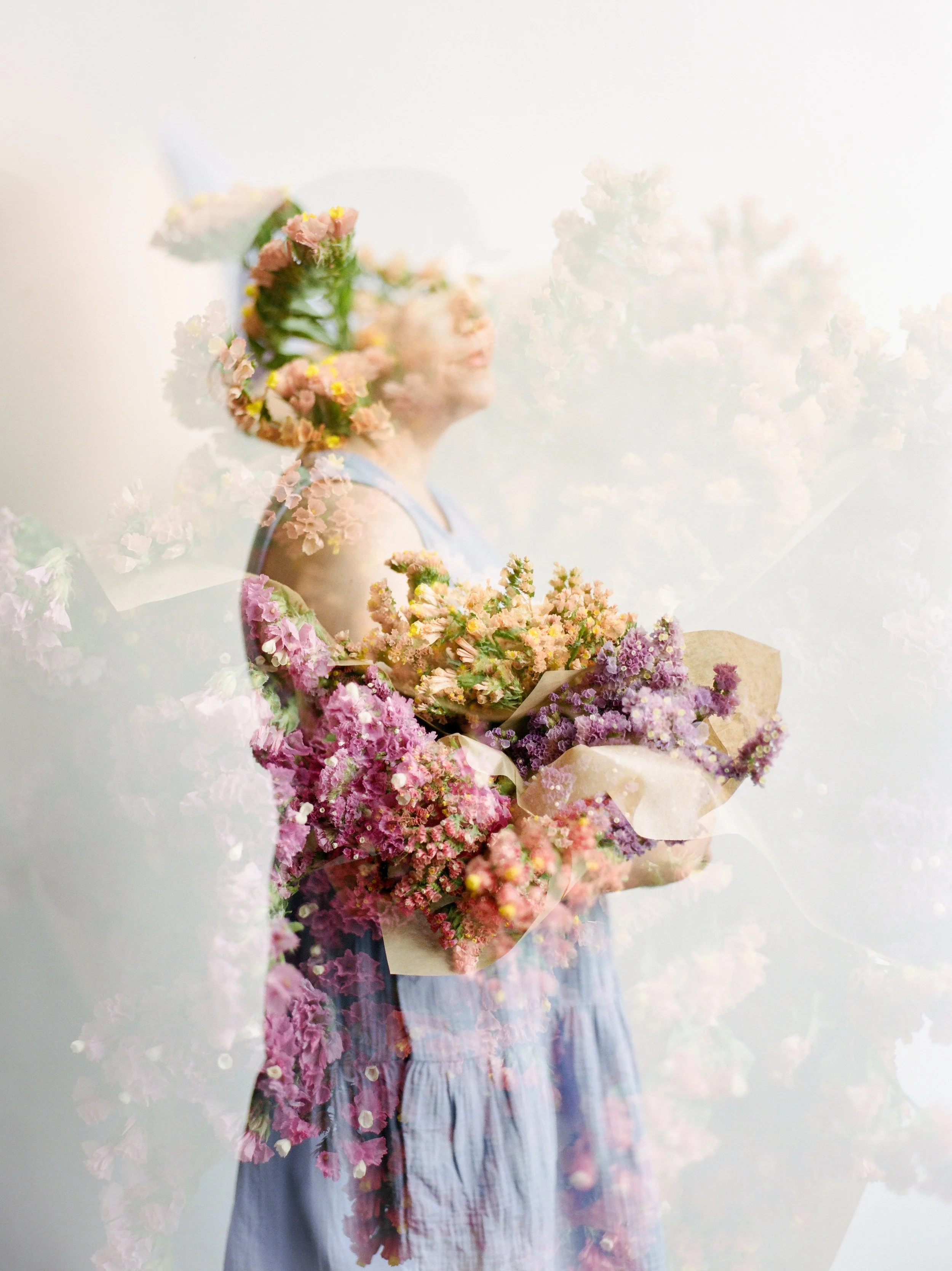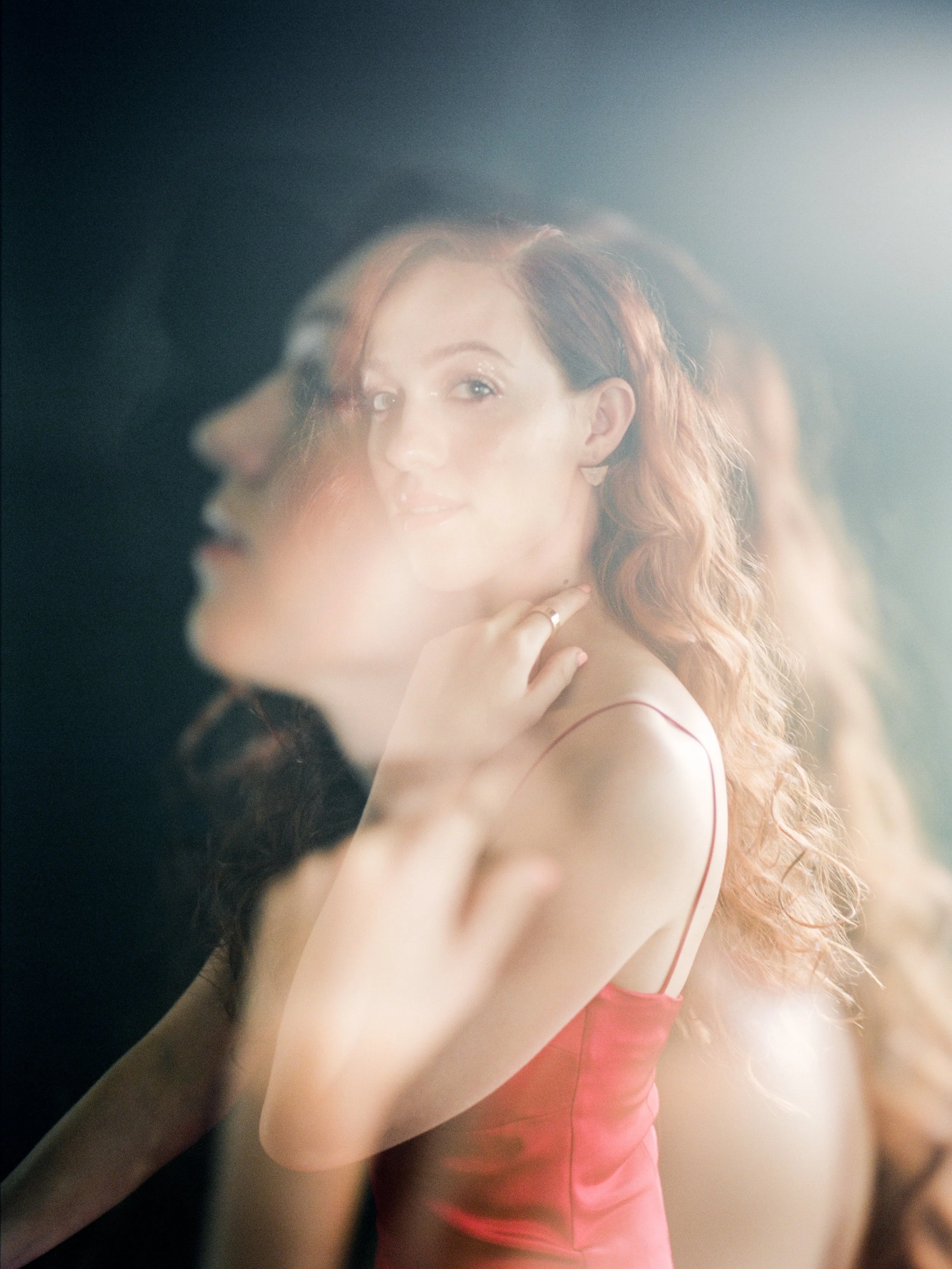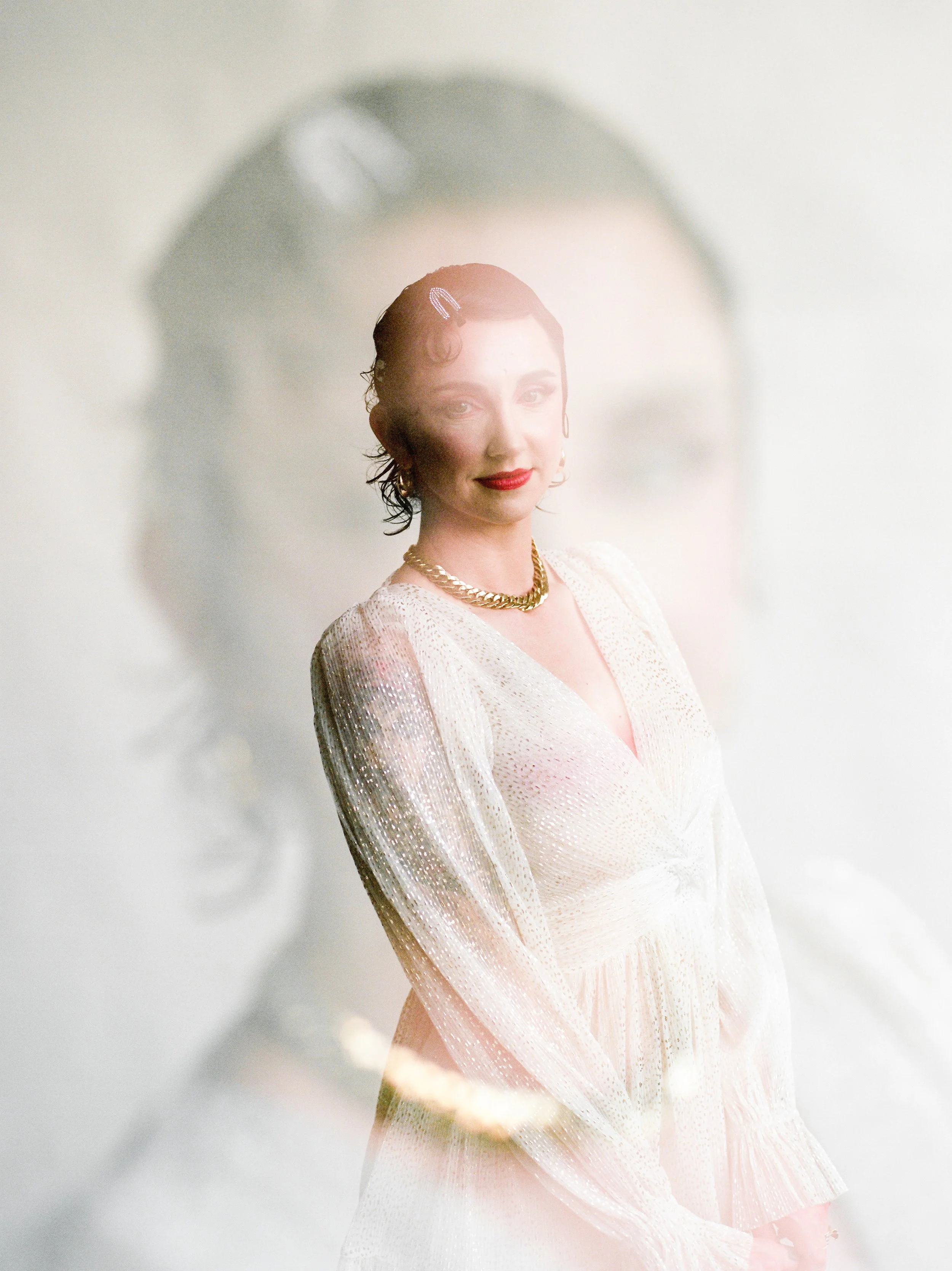
You guys know how we like our film photography around here. I wanted to share this post today not only to educate, but also to remind myself to create more double exposures, which is one of my favorite things to do when shooting film.
In film photography, a double exposure is the art of layering two images on a single frame of film. Instead of capturing one moment per exposure, the photographer deliberately exposes the same piece of film twice, allowing two distinct visuals to blend into one. The result is often dreamlike, with images overlapping and interacting in ways that feel almost otherworldly.
Traditionally, double exposures happen when the film is not advanced between shots. For example, a photographer might take one photo of a tree branch, then, without winding the film forward, take a second photo of a portrait. When developed, the images appear stacked on top of one another, creating a single photograph with two layers of meaning. It takes a little imagination—and a willingness to experiment—to anticipate how the shapes, tones, and lighting from each frame will come together.
What makes double exposures so captivating is their unpredictability. Unlike digital overlays, which can be carefully constructed in editing software, film double exposures leave more room for surprise. A silhouette might unexpectedly fill with patterns from nature, or a city skyline could dissolve into soft textures of fabric. Sometimes it works beautifully, sometimes it is less than perfect, but that element of chance is part of the magic.
The Technical Side of Shooting Double Exposures
If you want both images to appear as clearly as possible, the trick is in balancing light and subject matter. For the first exposure, you often want darker areas or silhouettes—think a person’s profile against the sky or a building with strong outlines. Then, for the second exposure, choose something lighter and more textured, like flowers, trees, or patterns. The lighter details will fill in the dark spaces of the first shot, creating that striking layered effect.
Exposure settings matter too. Because the film is being exposed twice, you typically cut the exposure for each shot in half to avoid overexposing the frame overall. Many photographers slightly underexpose both images so that when they merge, the final result still has detail and contrast.
Composition also plays a role. Keep in mind how the frames will overlap—placing your subject off-center in the first shot leaves room for the second image to come through. Planning ahead, even loosely, will make the final image feel intentional instead of chaotic.
In many ways, double exposures embody the beauty of film itself: patience, craft, and the willingness to embrace unexpected results. They remind us that photography is not only about documentation, but also about play, curiosity, and expression. Each layered frame becomes a conversation between two images, merged into something entirely new. They’re not a fit for every brand we work with, but when they are, it’s an exciting and creative experiment. Here are some faves from throughout the years, mostly shot for my artistic portrait brand.